
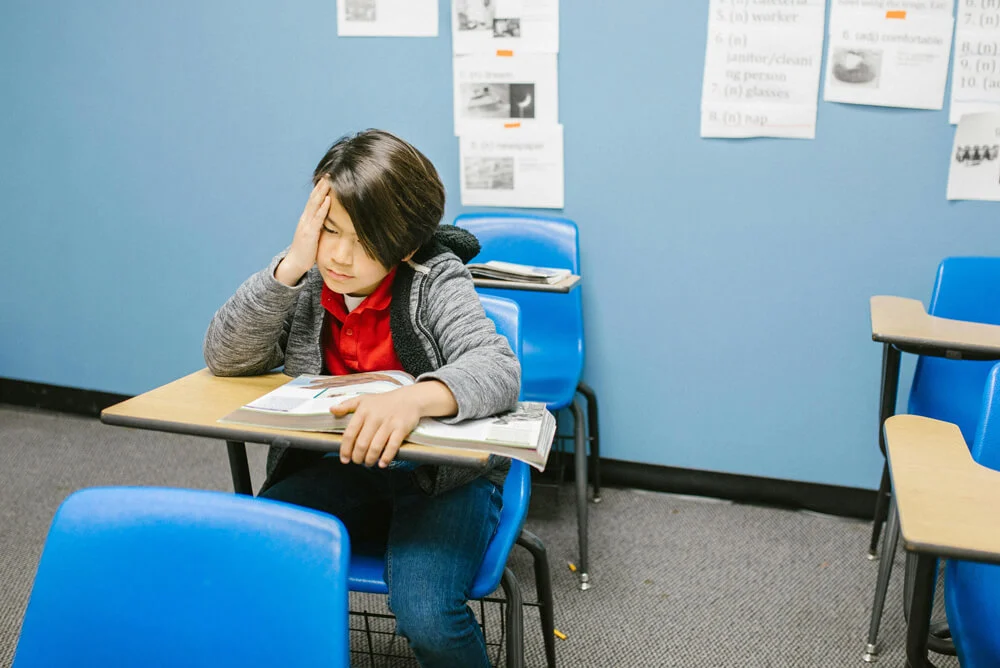
Discovering that your child may be struggling with substance abuse is a heavy realization, but remember: you are their strongest ally. This isn’t a reflection of your “failure” as a parent; it’s a hurdle that requires a calm heart and a clear strategy.
Recognizing the Signs
Look for subtle shifts that persist over time. Physical changes like bloodshot eyes or sudden weight fluctuations are common, but behavioral cues are often more telling.
Withdrawal: Quitting long-time hobbies or avoiding family meals.
Mood Swings: Unusual irritability or extreme lethargy.
Secrecy: Drastic changes in their friend group or “missing” money.
Taking Action
You have the strength to guide them back. This journey is a marathon, not a sprint, but every step taken in honesty leads toward healing.